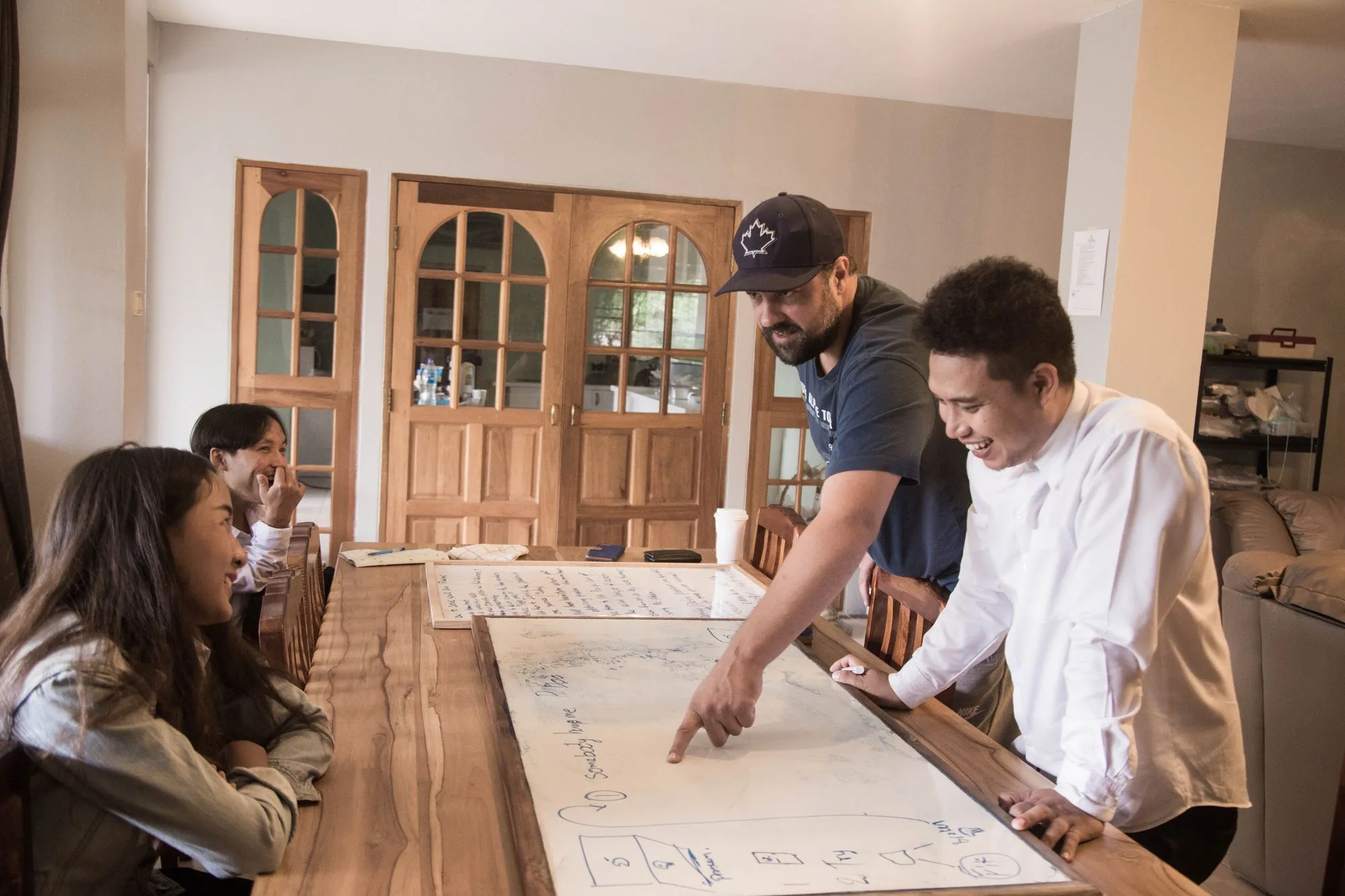
Requirements are not yet testable
Stakeholders agree on a goal, but functions, interfaces, constraints and acceptance criteria are still unclear.
Loading page
For teams evaluating connected equipment, suppliers or an implementation approach. Turn open questions into a defined evaluation and useful evidence before committing to a purchase or software project.
Discuss a Technical Evaluation↗Start with your business goal and the decision you need to make. An evaluation defines what can be checked, what evidence is needed and what remains uncertain.
Stakeholders agree on a goal, but functions, interfaces, constraints and acceptance criteria are still unclear.
You need comparable documentation and a clear list of questions to verify rather than relying on marketing descriptions.
Samples, device interfaces and the target business system must be checked before purchasing or setting implementation expectations.
Agree the decision, candidate options, evidence available and deliverable format. An evaluation can identify uncertainty; it does not guarantee that every candidate meets the requirements.
Translate the business objective into functions and checks that suppliers and implementation teams can assess.
Compare candidates using the same questions and evidence requirements.
Plan and carry out agreed checks with available samples and authorised test interfaces.
Provide technical recommendations to inform the next commercial or implementation decision.
Identify the objective, candidate devices/suppliers, constraints and specific questions to resolve.
Identify the objective, candidate devices/suppliers, constraints and specific questions to resolve.
Illustrative scenarios, not customer cases. The actual scope and acceptance criteria are agreed for your equipment.

Build a common requirements matrix, review documentation and record unverified claims. Deliver the agreed comparison and questions requiring evidence.
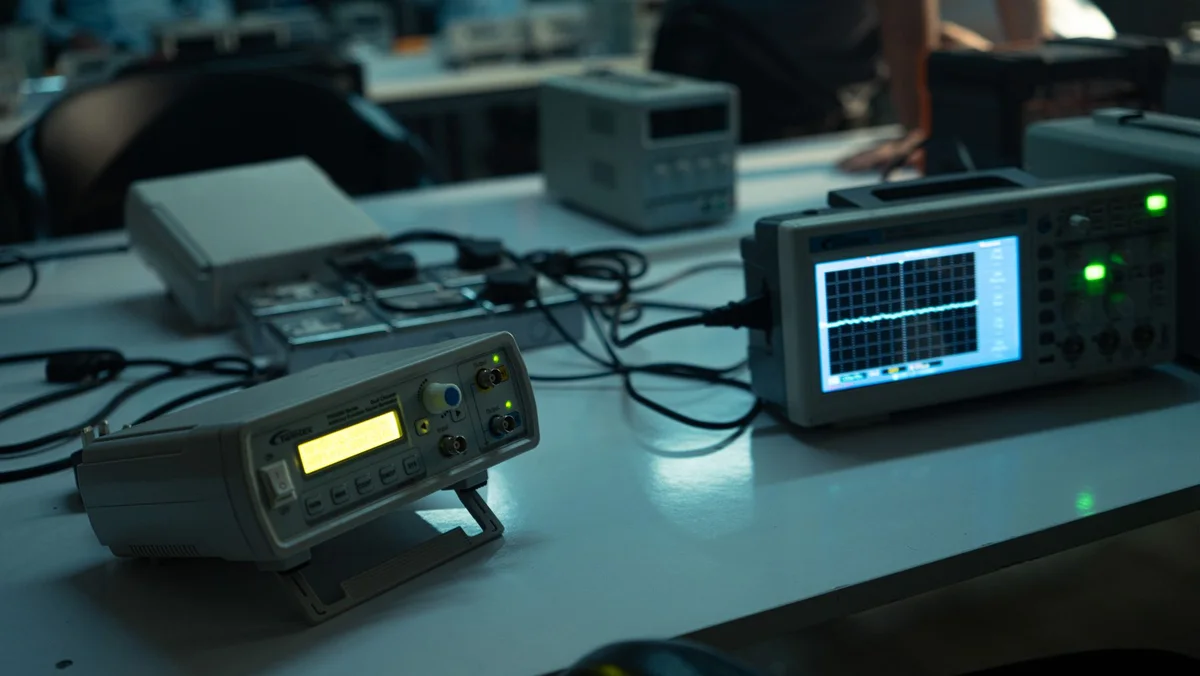
Use an available sample and authorised test environment to check commands and data exchange. Record observed behaviour, constraints and remaining gaps.

Translate the operating workflow into measurable checks and responsibility boundaries. This is an evaluation scenario, not a claim of completed customer delivery.
Explore frequently asked questions about Control-Screen Technical Evaluation.
Explore related services and practical guidance for your next step.
Explore the main software and integration service, including Android, BLE, protocols, APIs and project takeover.
Explore service →Review the related service scope and the next step for your project.
Explore service →Turn firmware commands, binary packets and incomplete interface notes into a verified communication layer that product applications can use and maintain.
Explore service →Turn an incomplete, inherited or unstable connected-device codebase into a verified baseline, prioritized recovery plan and maintainable delivery path.
Explore service →Develop or recover a native Android application that manages real connected hardware across permissions, lifecycle events, device state and release requirements.
Explore service →