Your device has no usable control app
Operators need clear setup, control and monitoring workflows on the agreed control-screen hardware and operating system.
Loading page
Control-screen software and equipment integration for manufacturers, device brands and system integrators. Connect operator workflows, equipment controllers and existing business systems.
Discuss Your Software Project↗Start with the device, the current software and the outcome your users need. A focused review determines whether to develop, integrate, recover or maintain the application.
Operators need clear setup, control and monitoring workflows on the agreed control-screen hardware and operating system.
Device commands, status and events need to reach an existing API, cloud service or operational application.
An inherited codebase, unstable connection or missing documentation prevents your team from completing or maintaining the product.
Discuss the equipment interfaces, application workflow and validation scope for your project.
Agree supported hardware, interfaces, operating conditions and acceptance tests before implementation. Firmware or backend changes are included only when explicitly scoped.
Develop or extend setup, control and monitoring on the selected control screen and agreed operating system.
Turn the available device interface into predictable application behaviour.
Map device identity, telemetry and commands to the agreed business-system contract.
Review what can be recovered, establish a buildable baseline and agree the support responsibilities.
Clarify the hardware, current app, available protocol/API information, dependencies and unresolved questions.
Clarify the hardware, current app, available protocol/API information, dependencies and unresolved questions.
Illustrative scenarios, not customer cases. The actual scope and acceptance criteria are agreed for your equipment.
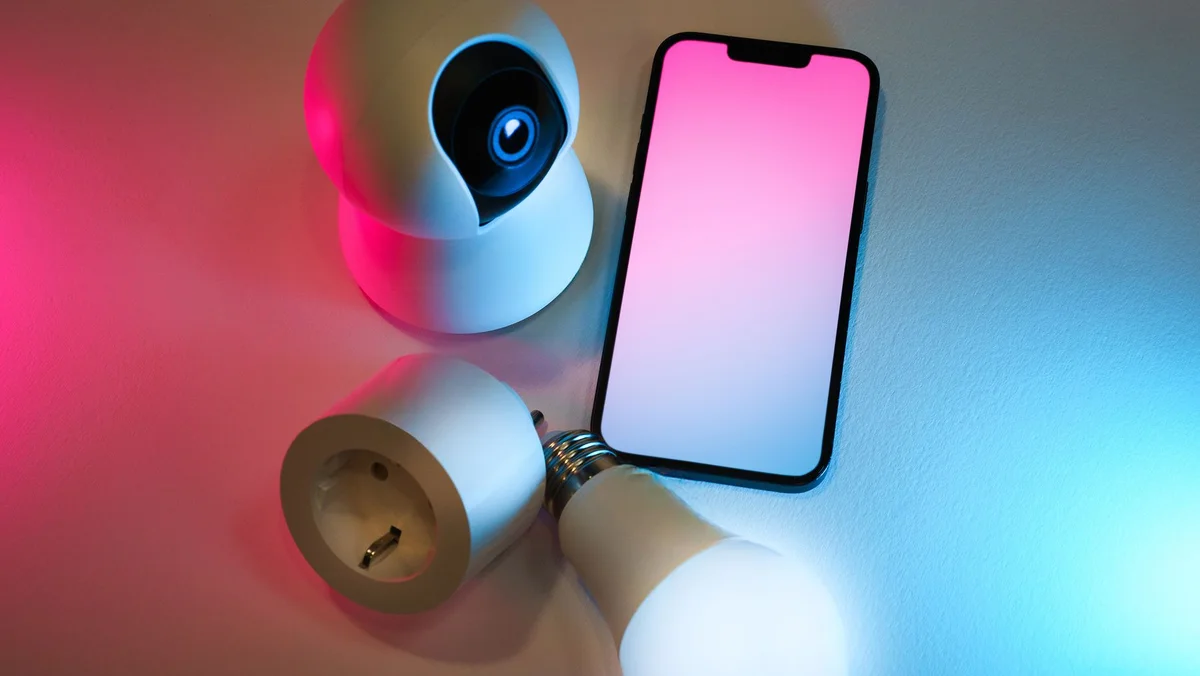
Scope setup, control and status workflows. Verify agreed commands, error handling and recovery on representative equipment. This is a scenario, not a customer case.
Map device events and commands to agreed MQTT/API interfaces. Verify message handling and reconnect behaviour against the system contract.
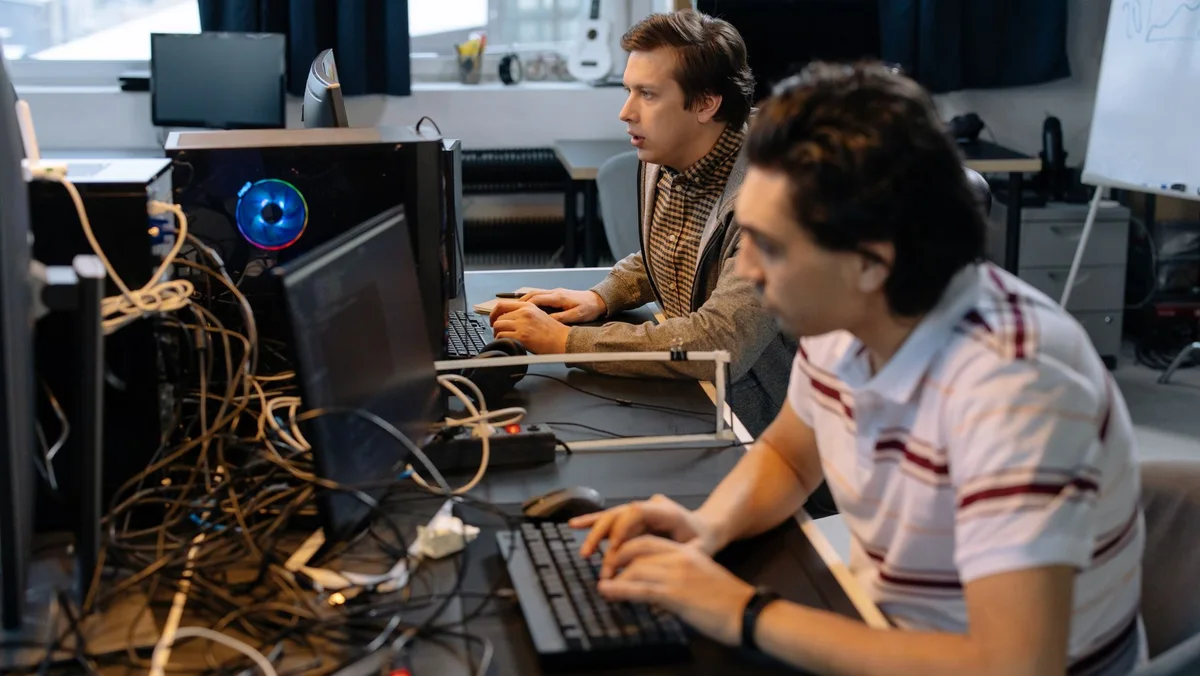
Establish a buildable baseline and investigate priority defects. Acceptance uses reproducible builds and agreed device tests, not an assumed complete rewrite.
Explore frequently asked questions about Control-Screen Software & Integration.
Explore related services and practical guidance for your next step.
Review the related service scope and the next step for your project.
Explore service →Review the related service scope and the next step for your project.
Explore service →Develop or recover a native Android application that manages real connected hardware across permissions, lifecycle events, device state and release requirements.
Explore service →Implement the complete BLE connection lifecycle around your hardware, from discovery and GATT commands to reconnection, state recovery and real-device verification.
Explore service →Turn firmware commands, binary packets and incomplete interface notes into a verified communication layer that product applications can use and maintain.
Explore service →Connect devices and product applications to an MQTT-based cloud workflow with clear identity, telemetry, command, online-state and recovery behaviour.
Explore service →Turn an incomplete, inherited or unstable connected-device codebase into a verified baseline, prioritized recovery plan and maintainable delivery path.
Explore service →Build a maintainable mobile application that pairs, configures, controls and monitors real connected hardware across device and cloud states.
Explore service →